Ticks & Fleas in Phuket: Why We Check Every Dog at Check-In
By Pear, Pear's Pawsh ·

Ticks and fleas are active in Phuket all year round, and in a shared, cage-free space they can spread from one dog to the whole group. That is why Pear's Pawsh checks every dog at check-in. If we find ticks or fleas, the dog cannot stay and the owner needs to take them home straight away — and may be charged for the cleaning that follows. This article explains the reasons, and how to make sure your dog passes the check easily.
Why Phuket is tick and flea country
Ticks and fleas love warmth and humidity, and Phuket has plenty of both. There is no cold winter to slow them down. The brown dog tick is well adapted to living around homes and kennels, and can complete its whole life cycle indoors. Fleas lay eggs that fall into bedding, sofas and floor cracks, where they hatch later.
Dogs can pick them up almost anywhere: grass and gardens, beaches, other dogs, a friend's house, even a car. A dog can look clean and still carry a few ticks hidden between the toes, in the ears or under the collar.
Why they matter for your dog's health
Beyond the itching, ticks can carry diseases. Tick-borne illnesses such as ehrlichiosis and babesiosis are a known risk for dogs in Thailand and can make a dog seriously ill. Fleas cause itchy skin and allergies, and can pass on tapeworm. Small dogs with a heavy flea burden can even become anaemic.
We're not vets, and this is not medical advice — if your dog seems unwell, lethargic, has pale gums, fever or unusual bleeding or bruising, see your vet.
Why one dog affects the whole group
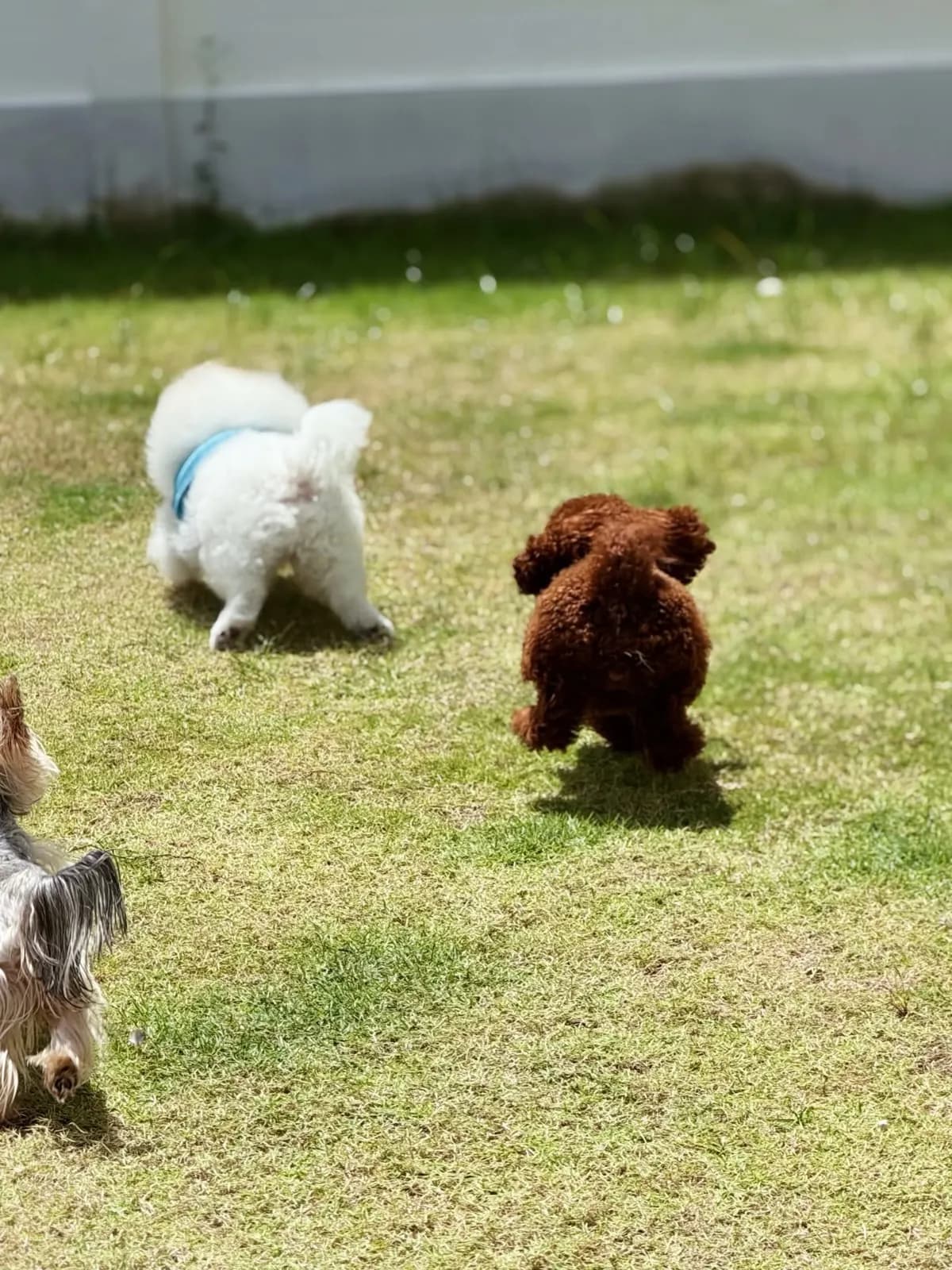
In a cage-free space, dogs share floors, beds, the play yard and each other's company. That is what makes it feel like home — but it also means a single infested dog can pass ticks or fleas to every other guest. Once they get into bedding and furniture, the whole space needs a deep clean and treatment, and for a while we can't safely take other dogs.
That is why the rule is strict and the same for everyone. It protects your dog from other dogs' parasites, too.
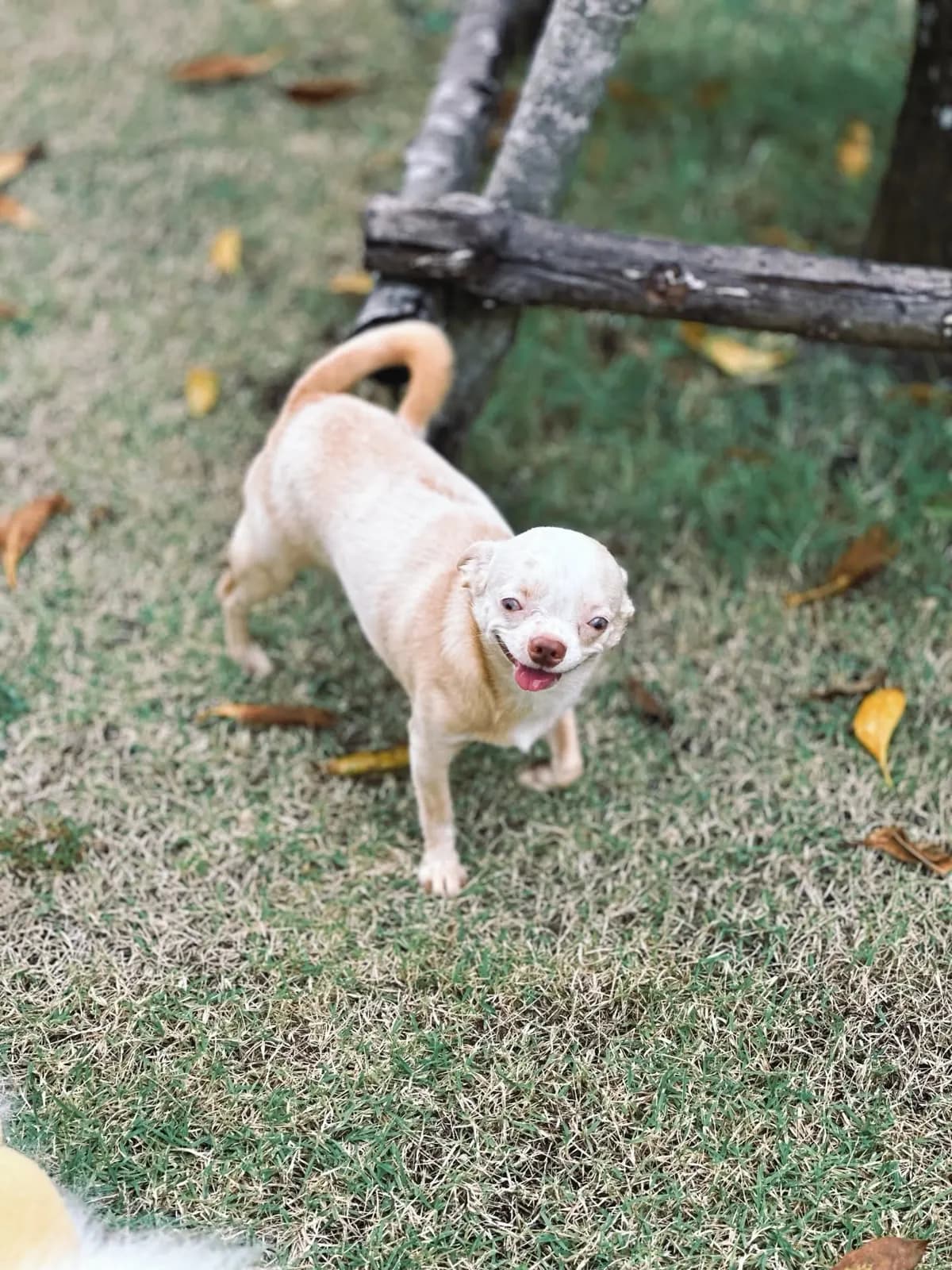
What we check at check-in
- Ears, inside and behind
- Neck and under the collar or harness
- Between the toes and around the pads
- Armpits, groin and belly
- Base of the tail and along the back
- Signs of fleas: flea dirt (small dark specks) in the coat, scratching, irritated skin
How to make sure your dog passes
Use a vet-recommended prevention product
There are oral chews, spot-on treatments and collars. Your vet can recommend what suits your dog's size, age and health. The key is to give it on schedule — and to make sure the protection covers the whole stay.
Keep deworming and records up to date
Deworming is required too, not just recommended. Like tick and flea treatment, it should be recorded in the vaccination book — bring the book on check-in day, or send us photos of those pages in advance. Deworming every 3 months is an easy routine to stay covered.
Check your dog yourself the day before
Run your fingers slowly through the coat and check the places listed above. A tick feels like a small bump that wasn't there before.
If you find a tick
Remove it carefully with a tick tool or fine tweezers, gripping close to the skin and pulling steadily — don't squeeze the body or twist hard. If you find several, or aren't sure, ask your vet and wait until your dog is clear before boarding.
Treat the home, not just the dog
If your dog has had fleas recently, wash bedding on a hot cycle and vacuum well. Flea eggs in the house can re-infest a dog that has just been treated.
What happens if we find ticks or fleas
We contact you straight away, and the dog needs to be collected. If parasites have already spread into the space, there may be a charge for cleaning and closure. We know it's inconvenient — especially before a flight — which is why we'd much rather help you prepare. If you're unsure whether your dog is ready, ask us on LINE before check-in day.