Cage-Free vs Kennel Boarding: Which Is Better for Small Dogs?
By Pear, Pear's Pawsh ·

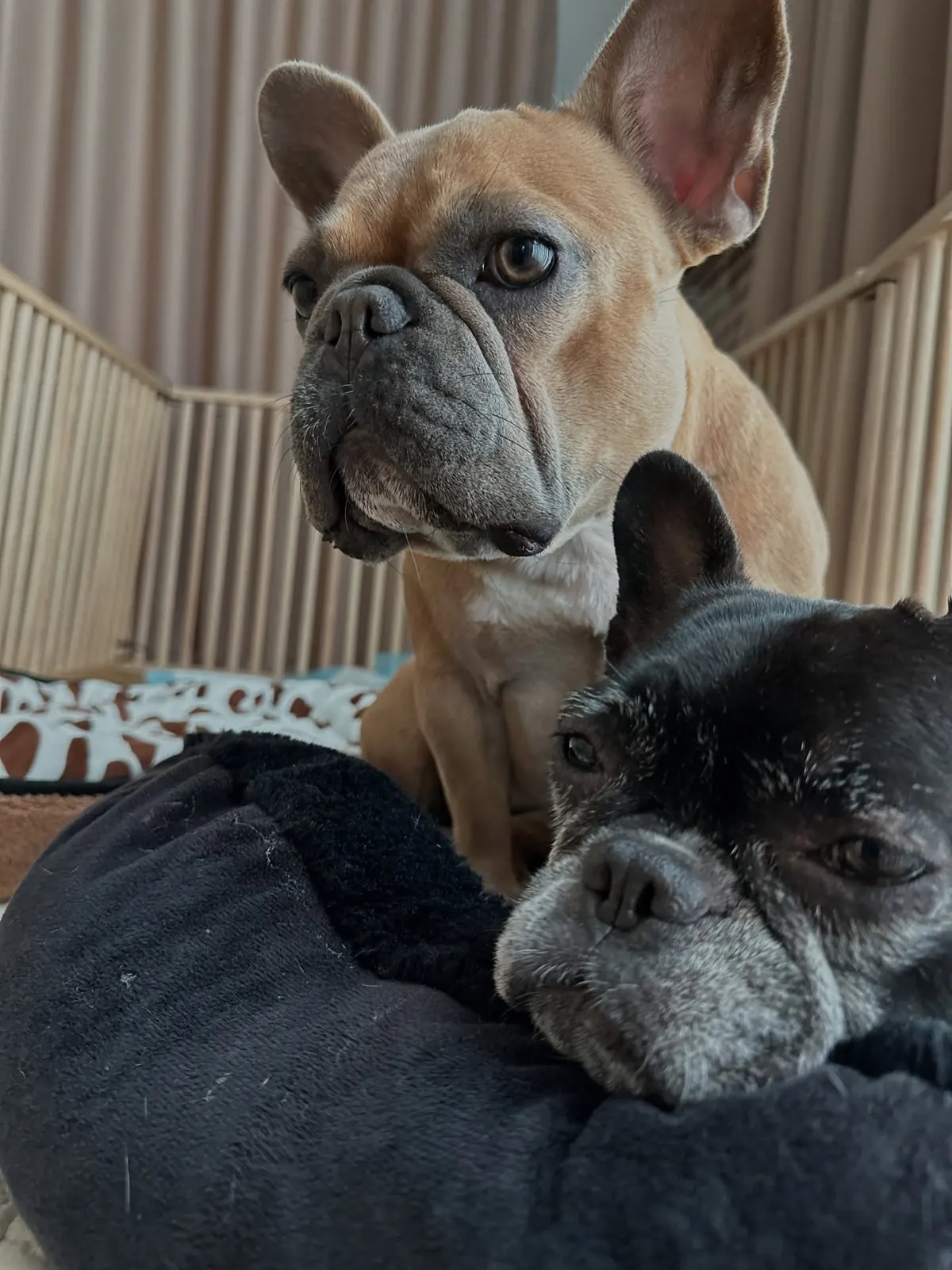
Short answer: for most small, sociable dogs, cage-free boarding is the gentler choice — they live in a home-style space, sleep on beds and stay close to people. Kennel boarding can suit dogs who need to be kept apart from others. At Pear's Pawsh we only take small dogs up to 15 kg, from ฿350 per day. There are no metal cages: each dog rests and sleeps in its own roomy open wooden room inside our air-conditioned house, and comes out for play time with people around. Here is how to decide what fits your dog.
What “kennel boarding” usually means
In a kennel-style facility, each dog has its own run or enclosure. Dogs come out for walks or play sessions on a schedule, then go back to their space. Kennels can be very clean and well run, and they make it easy to keep dogs separate — useful for dogs who are reactive, unwell or not used to other dogs.
The trade-off is that a lot of the day is spent alone behind a gate or bars. Some dogs cope fine. Others, especially toy breeds used to sleeping on the sofa or the bed, find it stressful: they bark, pace, stop eating or come home exhausted.
What “cage-free boarding” means
Cage-free (sometimes called home-style) boarding means dogs are not shut in metal crates or concrete runs. They spend much of the day in shared indoor living space with soft beds, have time in a play yard, and have people around them through the day and night. Rest areas may be divided with gates or open wooden pens so dogs can eat and nap quietly — that is a room divider, not a cage.
That is how we do it at Pear's Pawsh. Each dog has its own open wooden room inside the air-conditioned house: a Mini room (90 × 90 cm) for dogs 1–4 kg, or a Premium room (90 × 180 cm) for bigger small dogs. It is their calm base for sleeping and resting, and they come out for play and cuddles.
For small dogs who are social and used to family life, this usually feels much closer to home. They keep a normal rhythm of play, naps and cuddles instead of waiting in a run for their next outing.

Side by side
| Cage-free / home-style | Kennel-style | |
|---|---|---|
| Where dogs spend the day | Shared living space, beds, play yard (with an open rest area) | Own run or enclosure, out at set times |
| Contact with people | Frequent, through the day | Mainly at walks, feeding and cleaning |
| Best for | Social dogs, toy breeds, first-timers | Dogs that must be kept apart |
| Watch out for | Group mix — size and temperament matter | Isolation stress, barking, poor appetite |
Why size matters so much in cage-free boarding
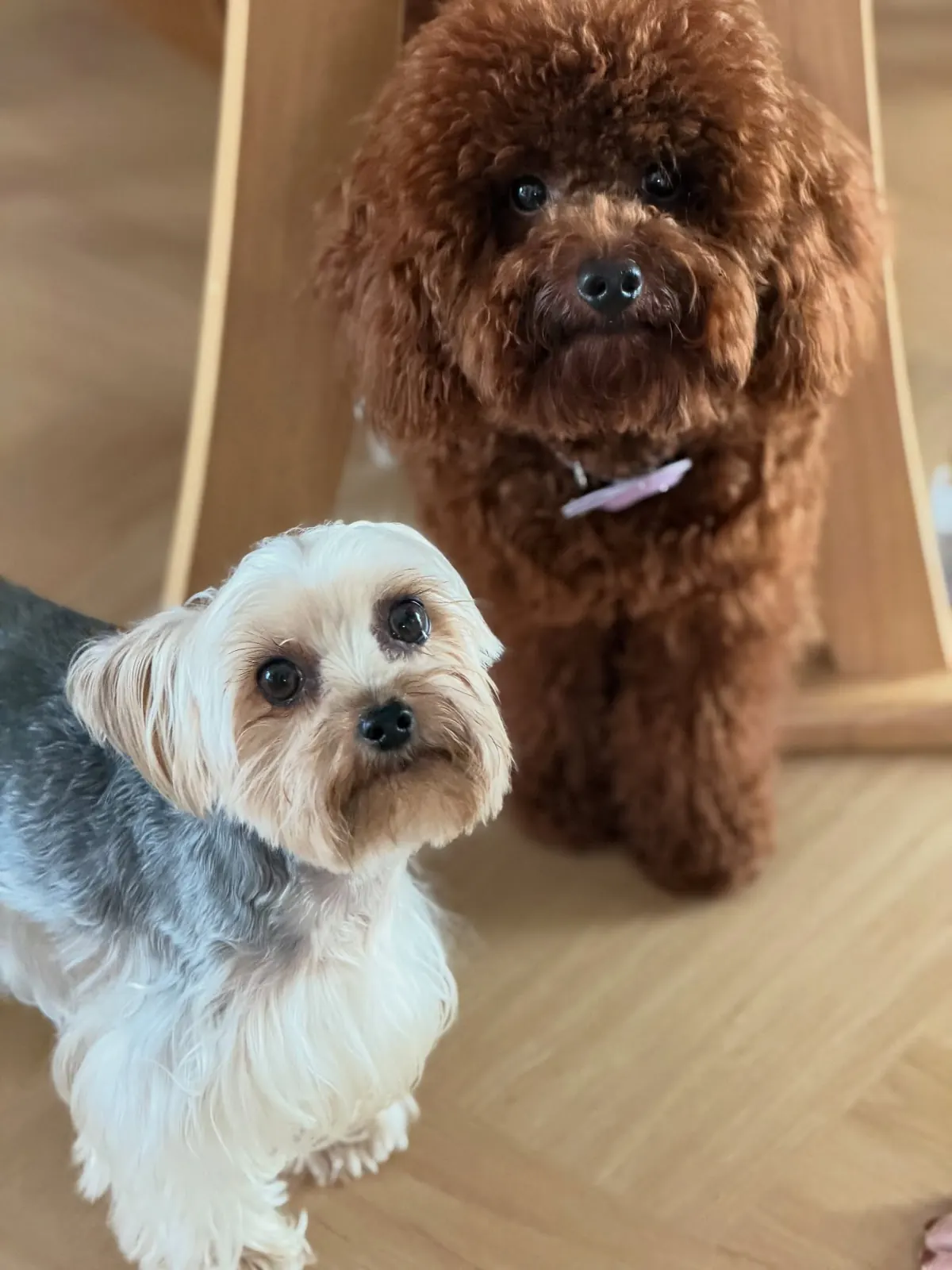
The biggest risk in any shared space is mismatched dogs. A friendly 30 kg dog can injure a 2 kg Chihuahua by accident, just by playing. That is why we chose to take small dogs only, up to 15 kg. Everyone in the group is a similar size, so play stays safe and the quieter dogs are not overwhelmed.
Temperament matters too. Cage-free only works when every guest is friendly and healthy, so we ask that dogs are at least 4 months old, non-aggressive, fully vaccinated and dewormed (with records) before they stay. You can read the full list on our boarding requirements page.
Questions to ask any boarding place
- Are dogs grouped by size? What is the largest dog that could share space with mine?
- Is someone on site overnight, or are dogs left alone after closing?
- Is the indoor area air-conditioned all day? (In Phuket heat this matters.)
- How do you check for ticks and fleas at check-in?
- Can I bring my dog's own food, bed or toy?
- How will I get updates while I'm away?
- What happens if my dog needs a vet at night?
Our own answers: dogs up to 15 kg only; each dog has its own open wooden room (no metal cages) plus play time out; round-the-clock care; air-conditioning 24/7 and an air purifier; tick and flea checks at check-in; your own food is welcome (we have a fridge for raw/BARF diets); daily photo updates on LINE; and a 24-hour emergency clinic nearby if ever needed.
When a kennel might be the better choice
Be honest about your dog. If they are reactive to other dogs, guard food or toys, or are recovering from surgery and need strict rest, a facility with individual enclosures — or a pet sitter at home — may be kinder. Cage-free boarding is lovely, but only for dogs who enjoy company.
How to tell if your small dog will enjoy cage-free boarding
- They play happily with other small dogs at the park or at friends' homes.
- They are comfortable resting in their own space with people and other dogs nearby.
- They settle within a day or two when staying somewhere new.
- They are not stressed by a few other dogs moving around them.
If you are not sure, book a single day first. A short trial stay shows you how your dog settles, and you will get photos on LINE so you can see for yourself.